Fuel theft in trucks: how fuel level sensors catch it
Diesel is the biggest running cost of a truck and the easiest thing to steal from it. Here is how fuel theft happens and how a fuel level sensor exposes it.
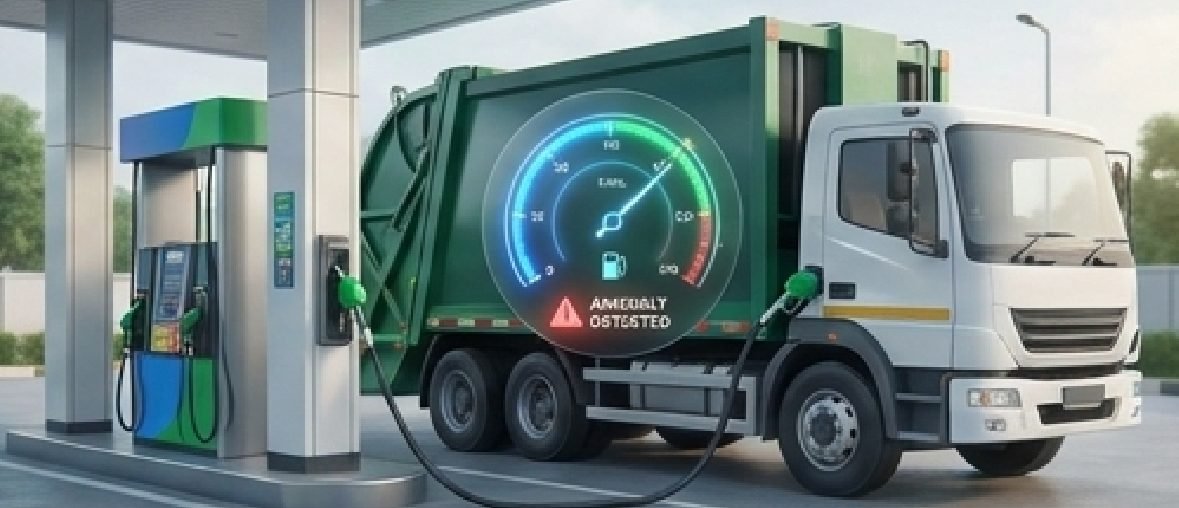
A fuel theft monitoring system uses a sensor inside the fuel tank to measure the level continuously and raise an alert when it drops faster than the engine could burn it. Combined with GPS, the alert says how many litres went missing, where and when, which is usually enough to stop the problem within weeks.
How is diesel stolen from trucks?
- Siphoning from the tank at a halt, often at night or at roadside dhabas.
- Short filling at the pump: the bill shows a full fill, but fewer litres go into the tank.
- Draining through the fuel line or return line rather than the tank cap, which a cap lock does not stop.
- Extra or unofficial trips made with the company's fuel.
- Inflated mileage claims, where the fuel bill does not match the distance actually driven.
How does a fuel level sensor detect theft?
Most fleet fuel sensors are capacitive probes cut to the depth of the tank. They measure the fuel level many times a minute and report it through the vehicle tracker. Software then compares the level against the vehicle's state:
| Pattern | What it usually means |
|---|---|
| Level falls slowly while driving | Normal consumption |
| Level falls sharply while the engine is off or the truck is parked | Likely theft: alert with time, place and litres |
| Level rises sharply | Refuelling: litres added are logged against the pump bill |
| Refuel adds fewer litres than the bill shows | Short filling or a false bill |
| Consumption per km rises over weeks | Slow theft, driving style or a mechanical fault worth checking |
Calibration matters. Each tank is calibrated so that sensor readings convert accurately into litres, and filters remove the sloshing caused by road movement and slopes, so that only real drops trigger alerts.
What to look for in a fuel theft monitoring system
- Instant alerts by app or SMS with litres, time and map location, not only a monthly report.
- Refuel reconciliation: litres added compared with the bill for every fill.
- Tank calibration done at installation for your exact tank.
- Tamper detection for a disconnected or damaged sensor.
- Combined view with GPS routes and, ideally, camera footage, so an alert can be checked against what happened.
Lagaam fuel monitoring
The Lagaam fuel level and theft sensor reports fuel level in real time and alerts on sudden drops while the vehicle is still at the spot. For government fleets, fuel monitoring and theft detection adds refuelling reconciliation across departments. Fuel data appears alongside trips and maintenance in Lagaam Sutra.
Frequently asked questions
Does a fuel tank lock stop diesel theft?
It stops the simplest method, siphoning through the cap, but not draining through fuel lines, short filling at pumps or false bills. A fuel sensor detects the loss whichever way it happens.
How accurate are fuel level sensors?
A properly calibrated capacitive sensor measures the level precisely enough to separate theft from normal consumption. Accuracy depends on correct installation and calibration for the specific tank.
Can I install a fuel sensor on an existing truck?
Yes. Sensors are retrofitted into the existing tank and connected to the vehicle tracker; the tank is then calibrated.
What happens when a theft alert is raised?
The fleet manager receives the litres lost, the time and the location, and can call the driver immediately while the truck is still there, then use the record for any follow-up.