Return loads for trucks: how to stop running empty on the way back
An empty return trip costs almost as much as a loaded one and earns nothing. Here is how fleet owners find return loads, and what to check before booking one.
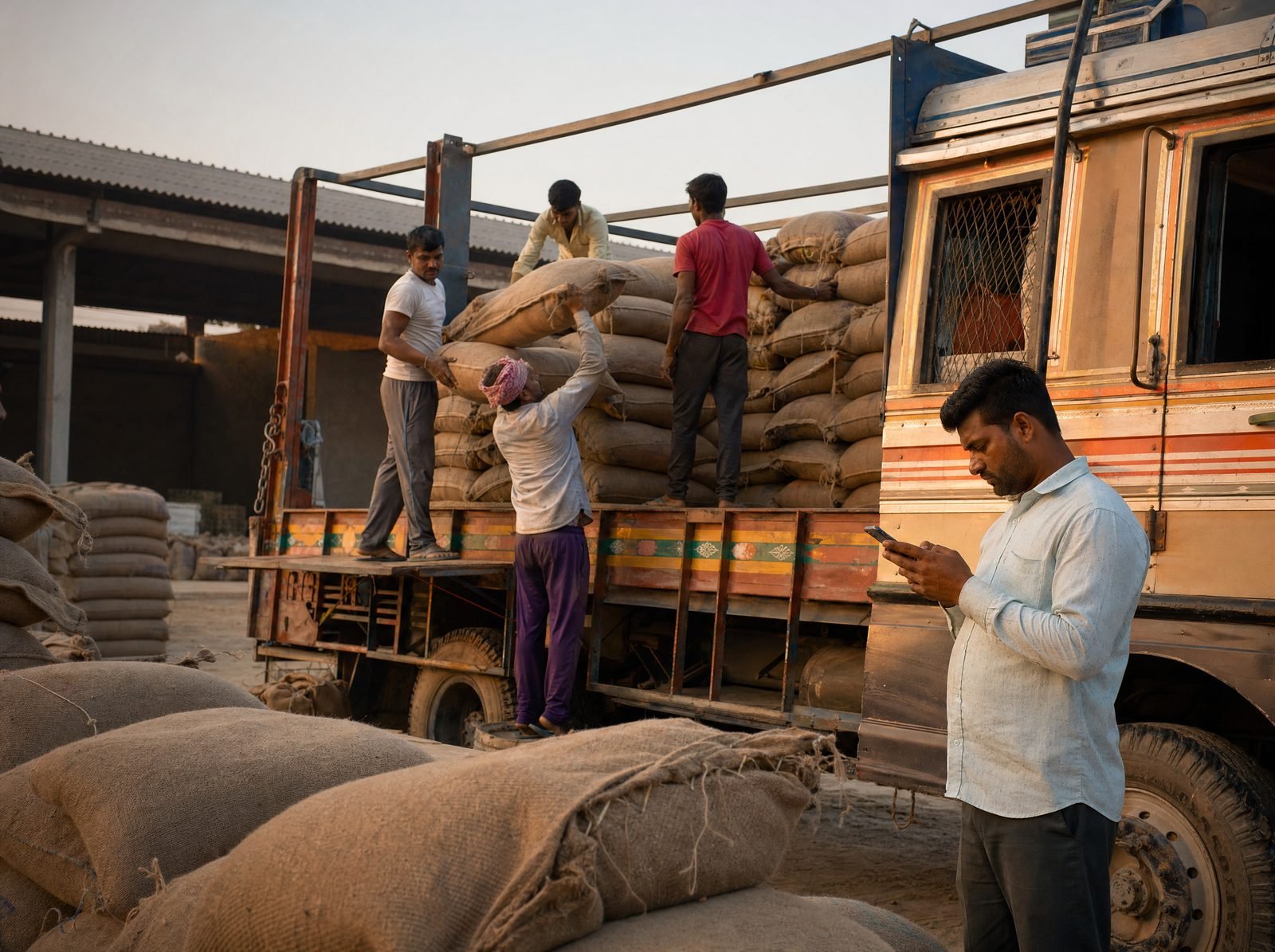
A return load (or backhaul) is cargo a truck carries on its way back after delivering its main load. Without one, the truck still burns diesel, pays tolls and pays the driver, but earns nothing for that leg. Finding return loads reliably is one of the quickest ways a fleet owner can lift earnings per truck without buying another vehicle.
Why do trucks come back empty?
- Freight flows are unbalanced. Industrial and port regions send out more goods than they receive, so trucks going one way find cargo easily and struggle the other way.
- Timing does not match. A load may exist on the return route, but not on the day and hour the truck is free.
- Owners only hear about loads through their own network of brokers and transport companies, which covers a small part of the market.
- Truck type mismatch: an open-body truck cannot take a reefer load, and a 32-foot container cannot take a part load economically.
Where do fleet owners find return loads?
| Source | Strength | Weakness |
|---|---|---|
| Local transport brokers and transport nagars | Fast, personal, familiar | Commission, limited reach, little price visibility |
| Regular shippers on the return route | Predictable, repeat business | Takes time to build; volumes vary by season |
| Online load boards and freight marketplaces | Wide reach, many loads to choose from | Quality of shippers varies; payment risk needs checking |
| Corridor-matching platforms | Match loads to a truck's actual route and timing | Work best when the truck's location and availability are shared |
A practical playbook to fill the return leg
- Start looking before you unload. The best return loads are booked while the truck is still on its outbound trip. Share the expected free time and location early.
- Know your floor price. Work out the cost of the empty return (diesel, tolls, driver allowance). Any return load that covers more than that, plus a margin, beats running empty.
- Be flexible on the route. A load that ends 60 km from your base can still be better than nothing; a load that starts 150 km away usually is not.
- Accept part loads when it pays. A part load that covers the diesel is still a gain over an empty truck.
- Check the shipper. Confirm the company, the consignment, the paperwork (invoice, e-way bill) and the payment terms before loading.
- Track the trip end to end so the shipper can see the load, which builds the trust that brings repeat bookings.
How Lagaam's return-trip load booking works
Lagaam Return Trip Load Booking matches empty return trips with shippers moving goods on the same corridor. Because the truck's live location comes from its tracker, loads are offered where and when the truck actually becomes free, and the shipper can follow the consignment until delivery. It works alongside Lagaam Sutra for trip records and the load weight sensor to confirm the truck is not overloaded on the way back.
Frequently asked questions
What is a backhaul in trucking?
A backhaul is the load a truck carries on its return journey after its main delivery. In India it is usually called a return load. Filling it turns an empty, loss-making leg into a paying one.
How much should I charge for a return load?
Anything above the cost of running the return trip empty, which is mainly diesel, tolls and the driver's allowance, adds to your earnings. Many owners accept lower rates on the return leg than on the main trip, but should not go below that cost.
Are online truck load boards safe to use?
They are useful but you should still verify the shipper, the goods and the documents, agree payment terms in writing, and track the trip. Platforms that verify shippers and track loads reduce the risk.
Can small fleet owners use return-load platforms?
Yes. Owners with one to five trucks often benefit the most because they have the smallest broker networks and feel each empty trip directly.